
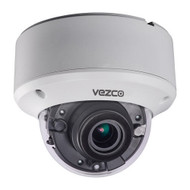
What is the Difference Between Hardware Compression and Software Compression?
Nov 23rd 2017
CCTV systems are in high demand these days as more and more homes and businesses are using them for surveillance and security purposes. PC-based surveillance systems are a common choice for most people. However, if you are shopping for such a system, then it is recommended that you know the difference between hardware compression and software compression as these systems are made using either one of these technologies. Understanding the difference between these compression technologies will help you make an educated decision when making a purchase.
Hardware Compression
Hardware compression is usually employed in embedded systems. These surveillance systems have one or more chipsets that are used for recording, compressing, and storing the footage to hard disk. Hardware compression utilizes relatively less resources as compared to software compression and it performs better even if your PC has slower CPU and RAM. Because of this, CCTV systems that feature hardware compression are relatively more stable as compared to systems that feature software compression.
The compression process of hardware compression cards is more efficient as it uses high performance chipsets – as a result you get a smoother video image because the compression process is not interrupted or affected by other programs.
As mentioned above, hardware compression uses less resources so it means that the CPU can perform additional functions without any performance issues. For example, hardware compression surveillance systems are usually equipped with features such as license plate recognition, intelligent analysis, etc. They also support 64 channels in one PC as opposed to 16 channels of software compression, thus allowing real-time recording and monitoring. Furthermore, you will also notice an increased network connection performance when using a surveillance systems equipped with HWC technology.
Software Compression
Some PC-based CCTV systems use software processes for the compression of footage. This technology is called software compression. One of the biggest problems of software compression is that it takes relatively more CPU resources, which means if your PC is being used for real-time surveillance then it would impact the performance of other programs you may wish to run in the meantime. Of course this is not a problem with high-end PCs or when CCTV system is recording at a lower frame rate. However, when the compression rate is higher, then chances are that the CPU will quickly max out. And it might cause some issues. For example, when a SWC surveillance system is recording footage in real-time, the workload on the CPU will vary constantly because frames have different sizes and require different amount of resources to get processed. But just as mentioned above, if you are using a high-end PC then there won’t be any significant impact on performance. However, it might be a problem in a DVR. CCTV systems with hardware compression technology are not usually affected by this problem.
Conclusion
In conclusion, both hardware and software compression technologies have their pros and cons when it comes to the performance and resource management of PC-based CCTV systems. In the end, it all depends on your personal preference and of course, your budget.